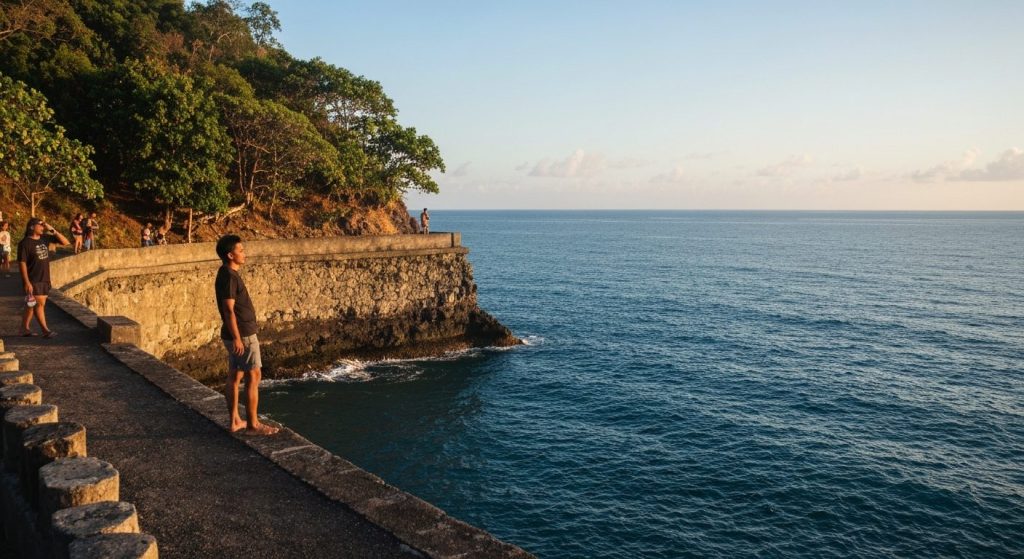
The term `labuan bajo tourism business investment` refers to putting capital into commercial ventures within the tourism sector of Labuan Bajo and the wider West Manggarai region. This guide focuses on four high-demand verticals: dive operators and centers, homestays and guesthouses, food and beverage (F&B) restaurants or cafes, and boat charter or liveaboard businesses. Each presents distinct capital requirements, operational complexities, and potential returns, all within a rapidly evolving market.
Labuan Bajo, the gateway to Komodo National Park, has transformed from a sleepy fishing village into a designated “Super Priority Tourism Destination.” This growth, fueled by significant infrastructure investment in roads, an expanded airport, and enhanced utilities, continues to attract both tourists and investors. Understanding the practical realities, including legal structures, licensing, and realistic financial projections, is crucial before committing capital.
Legal Foundations: Why PT PMA is Your Safest Route
Investing in any business in Indonesia, especially as a foreign individual or entity, requires a clear and legally sound operational structure. For `labuan bajo tourism business investment`, the preferred and safest vehicle is a PT Penanaman Modal Asing (PT PMA), which translates to a Foreign Investment Limited Liability Company.
Understanding PT PMA
A PT PMA allows foreign individuals or companies to hold a significant, often 100%, ownership stake in an Indonesian business. This structure provides legal clarity, protects your investment, and allows for direct management. The Indonesian Investment Coordinating Board (BKPM) regulates PT PMAs.
The minimum capital requirement for establishing a PT PMA is IDR 10 billion (approximately USD 625,000, last verified June 2026). For tourism-related businesses, the paid-up capital requirement is typically IDR 2.5 billion (approximately USD 156,250, last verified June 2026), which must be shown to the government, often via a bank statement or capital declaration. These figures can fluctuate based on government regulations and specific business classifications, so always verify the latest requirements with a licensed BKPM consultant.
Risks of Nominee Structures
Some foreign investors, seeking to circumvent the PT PMA capital requirements or simplify the setup process, consider nominee agreements. This typically involves registering the business or assets in the name of an Indonesian citizen (the nominee) under a private agreement. This approach carries substantial risks:
* **Lack of Legal Protection:** Indonesian law does not recognize nominee agreements for land or business ownership by foreigners. If a dispute arises, the foreign investor has little to no legal recourse to reclaim assets or control.
* **Loss of Control:** The nominee legally owns the assets. They can sell them, encumber them, or deny you access, leaving you without your investment.
* **Inheritance Issues:** If the nominee passes away, the assets become part of their estate, subject to Indonesian inheritance laws, with no guarantee of transfer to the foreign investor.
* **Changing Relationships:** Even with trusted local partners, relationships can change, leading to unforeseen complications and potential exploitation.
For any substantial `labuan bajo tourism business investment`, avoiding nominee structures is a fundamental guardrail. Always consult with a licensed Indonesian notary (PPAT) and a BKPM consultant to establish a proper PT PMA.
General Business Licensing in Labuan Bajo
Regardless of the specific tourism vertical, all businesses in Labuan Bajo operate under the Indonesian government’s Online Single Submission (OSS) system, managed by BKPM. This system aims to streamline business registration and licensing.
The OSS System and NIB
The first step for any new business is to obtain a Nomor Induk Berusaha (NIB), or Business Identification Number, through the OSS system. The NIB serves as your company’s identity and allows you to apply for various operational licenses.
Key General Permits:
* **TDUP (Tanda Daftar Usaha Pariwisata):** The Tourism Business Registration Certificate is mandatory for all tourism-related businesses, including hotels, homestays, dive operators, tour agencies, and F&B establishments catering to tourists. This permit indicates your business is officially recognized to operate in the tourism sector.
* **IMB (Izin Mendirikan Bangunan):** The Building Permit is required if you plan to construct new facilities, renovate existing ones, or change the use of a building. Ensure your property has a valid IMB that matches its intended commercial use. Operating without a proper IMB can lead to fines, forced closure, or demolition.
* **NPWP (Nomor Pokok Wajib Pajak):** This is your company’s Taxpayer Identification Number, essential for all tax-related obligations, including corporate tax, VAT, and employee income tax.
* **Environmental Permits (UKL-UPL/AMDAL):** Depending on the scale and potential environmental impact of your business, you may need an Environmental Management Effort (UKL-UPL) or Environmental Impact Analysis (AMDAL) permit. These are crucial for sustainable operations, particularly in sensitive areas like those bordering Komodo National Park.
The process of obtaining these permits requires careful attention to detail and adherence to local regulations. Engaging a licensed local consultant specializing in OSS and BKPM procedures can significantly expedite the process and ensure compliance.
Deep Dive: Key Tourism Business Verticals
Here, we examine the practical aspects of `labuan bajo tourism business investment` across four high-demand sectors, providing realistic capital bands, specific licensing needs, and ROI expectations. Figures provided are indicative ranges, last verified June 2026, and should be confirmed with professional advisors.
A. Labuan Bajo Dive Operator & Dive Center Investment
Investing in a `labuan bajo dive operator investment` or `labuan bajo dive center business` taps into a core segment of the region’s appeal: world-class diving in Komodo National Park.
Capital Bands:
* **Startup Capital:** IDR 2.5 billion – IDR 10 billion+ (approx. USD 156,250 – USD 625,000+).
* **Boats:** A crucial expense. A small, fast speedboat for day trips might cost IDR 500 million – IDR 1.5 billion. Larger, more comfortable day boats can range from IDR 2 billion – IDR 5 billion. These costs are for purchasing and outfitting.
* **Equipment:** Dive gear (tanks, BCDs, regulators, wetsuits, masks) for 20-40 divers can easily reach IDR 300 million – IDR 700 million.
* **Compressor & Filling Station:** A high-capacity compressor and associated tanks cost IDR 150 million – IDR 300 million.
* **Shop/Office Lease & Fit-out:** IDR 100 million – IDR 500 million, depending on location and size.
* **Working Capital:** For initial salaries, fuel, maintenance, permits.
Specific Licensing & Affiliations:
* **TDUP (Tourism Business Registration Certificate):** Required for all tourism operators.
* **KSOP (Kantor Kesyahbandaran dan Otoritas Pelabuhan) Permits:** Marine permits for boat registration, seaworthiness, and crew certification. Each boat needs its own set of permits.
* **KNP (Komodo National Park) Permits:** Operational permits for entering and conducting activities within Komodo National Park. These are separate from individual tourist entrance fees.
* **PADI/SSI Affiliation:** Essential for offering dive courses and maintaining industry standards. Annual fees apply.
* **Crew Certification:** Divemasters, instructors, and boat crew must hold valid Indonesian certifications.
Realistic ROI & Occupancy:
* **Occupancy:** Highly seasonal. Peak season (June-August, December-January) can see 80-100% occupancy for successful operators. Low season (January-March, September-November) might drop to 30-50%. Annual average often sits around 50-70%.
* **ROI (Return on Investment):** Potential ROI for a well-managed `labuan bajo dive operator investment` can range from 15-30% in good years. This is highly dependent on effective marketing, efficient operations, and managing high fixed costs (boat maintenance, fuel, staff).
Challenges:
* **High Operational Costs:** Fuel, boat maintenance, and staff salaries are substantial recurring expenses.
* **Environmental Regulations:** Strict and evolving regulations within Komodo National Park require constant adherence.
* **Competition:** The dive market is competitive, requiring strong service quality and marketing.
B. Labuan Bajo Homestay & Guesthouse Investment
A `labuan bajo homestay investment` or guesthouse caters to budget-conscious travelers or those seeking a more authentic local experience. This vertical offers a potentially lower entry barrier compared to larger resorts or boat operations.
Capital Bands:
* **Startup Capital:** IDR 500 million – IDR 2.5 billion+ (approx. USD 31,250 – USD 156,250+).
* **Land/Lease:** Highly variable. Leasehold land for 25-30 years can range from IDR 500 million – IDR 1.5 billion for a suitable plot (e.g., 5-10 are). Freehold land purchase would be significantly higher.
* **Construction:** For 5-10 basic rooms, construction costs might be IDR 5 million – IDR 10 million per square meter. A 5-room homestay of 200 sqm could cost IDR 1 billion – IDR 2 billion to build and furnish simply.
* **Furnishing & Fixtures:** IDR 100 million – IDR 300 million.
* **Permits & Fees:** IDR 50 million – IDR 150 million.
Specific Licensing:
* **IMB (Building Permit):** Essential for any construction or renovation. Ensure the IMB reflects the building’s use as commercial accommodation.
* **TDUP (Tourism Business Registration Certificate):** Required for all accommodation providers.
* **Environmental Permits:** UKL-UPL may be needed depending on scale.
* **PBB (Property Tax) & PBJT (Local Tax on Hotels/Restaurants):** Ongoing tax obligations.
Realistic ROI & Occupancy:
* **Occupancy:** Can range from 40-70% annually. Peak season often sees 70-90%, while low season may drop to 20-40%. Location (proximity to town, views) and online reviews are critical drivers.
* **ROI:** A well-managed `labuan bajo homestay investment` can yield 10-20% ROI. Profits depend on maintaining high occupancy, efficient operational costs, and competitive pricing.
Challenges:
* **Competition:** The homestay and guesthouse market is growing, leading to increased competition.
* **Marketing:** Strong online presence (OTAs, social media) is vital.
* **Maintenance:** Keeping facilities well-maintained in a tropical climate requires ongoing investment.
C. Labuan Bajo F&B Restaurant & Cafe Investment
A `labuan bajo f&b restaurant investment` or cafe targets the growing demand for diverse dining options from tourists and locals alike. This sector is dynamic and requires a keen understanding of culinary trends and local tastes.
Capital Bands:
* **Startup Capital:** IDR 1 billion – IDR 7 billion+ (approx. USD 62,500 – USD 437,500+).
* **Lease/Land Purchase:** Leasing a prime location can cost IDR 150 million – IDR 500 million per year. Purchasing land would be significantly more.
* **Fit-out & Interior Design:** IDR 300 million – IDR 2 billion, depending on concept and quality.
* **Kitchen Equipment:** Commercial kitchen setup can range from IDR 200 million – IDR 1 billion.
* **Initial Stock & Working Capital:** IDR 100 million – IDR 500 million.
* **Permits & Fees:** IDR 50 million – IDR 200 million.
Specific Licensing:
* **IMB (Building Permit):** If you are building or significantly altering a structure.
* **TDUP (Tourism Business Registration Certificate):** Required for F&B establishments.
* **Hygiene Certificate (Sertifikat Laik Sehat):** Issued by the local health department, certifying food safety and hygiene standards. Essential for operation.
* **BPOM (Badan Pengawas Obat dan Makanan) Registration:** For packaged food products or certain ingredients, ensuring they meet national food and drug safety standards.
* **PBB & PBJT:** Property and local hotel/restaurant tax.
Realistic ROI & Profitability:
* **Occupancy/Sales:** Highly dependent on location, menu quality, service, and marketing. A popular `labuan bajo restaurant cafe investment` can achieve high daily turnover, but margins can be tight due to ingredient costs, staff wages, and rent.
* **ROI:** Potential ROI for a successful F&B business is typically 10-25%. This sector is highly sensitive to management efficiency, cost control, and market trends.
Challenges:
* **High Competition:** The F&B scene is rapidly expanding, making differentiation and quality crucial.
* **Staffing:** Finding and retaining skilled kitchen and service staff can be challenging.
* **Supply Chain:** Consistent supply of quality ingredients can be an issue, especially for specific imported items.
* **Waste Management:** Efficient waste management is critical for hygiene and environmental compliance.
D. Labuan Bajo Boat Charter, Phinisi & Liveaboard Investment
A `labuan bajo boat charter phinisi investment` or `labuan bajo liveaboard dive boat investment` represents a significant capital outlay but offers access to the high-value tourism market, particularly for multi-day cruises to Komodo National Park. This also covers `labuan bajo phinisi boat business` and `labuan bajo sailing charter liveaboard business`.
Capital Bands:
* **Startup Capital:** IDR 4 billion – IDR 25 billion+ (approx. USD 250,000 – USD 1.5 million+).
* **Phinisi Boats:**
* **Used Phinisi:** IDR 4 billion – IDR 15 billion, depending on age, size, and condition. Requires significant due diligence and potential renovation.
* **New Build Phinisi:** IDR 8 billion – IDR 25 billion+, depending on size, luxury level, and builder. Construction can take 1-3 years.
* **Speedboats (for day trips/transfers):** IDR 500 million – IDR 1.5 billion.
* **Outfitting & Furnishing:** IDR 500 million – IDR 3 billion, especially for luxury liveaboards.
* **Safety Equipment & Navigation:** IDR 200 million – IDR 500 million.
* **Permits & Fees:** IDR 200 million – IDR 500 million.
Specific Licensing:
* **KSOP (Kantor Kesyahbandaran dan Otoritas Pelabuhan) Permits:** This is the most critical and complex set of permits.
* **Ship Registration (Surat Laut/Pas Kecil):** Mandatory.
* **Seaworthiness Certificate (Sertifikat Kelaiklautan):** Annual inspection.
* **Crew Certification (SKK):** All crew members, from captain to deckhands, must be properly certified.
* **Passenger Manifest Approval:** For each trip.
* **SIUPEL (Surat Izin Usaha Perusahaan Angkutan Laut):** Shipping Business License, required for commercial boat operations.
* **TDUP (Tourism Business Registration Certificate):** Required for the tourism aspect of the business, such as operating a `labuan bajo komodo tour operator business`.
* **KNP (Komodo National Park) Permits:** Operational permits for entry and activities within the park. This often involves annual quotas or specific trip permits.
* **Insurance:** Marine insurance for the vessel, passengers, and crew is a must.
Realistic ROI & Occupancy:
* **Occupancy:** Liveaboards typically aim for 60-80% occupancy, especially in the high season. Day trips can be higher. High-end `labuan bajo sailing charter liveaboard business` can command premium prices but demand exceptional service.
* **ROI:** The potential for `tourism business roi labuan bajo` in the boat sector can be strong, ranging from 15-30% for well-managed operations. However, this is offset by high capital investment, significant maintenance costs, and fuel expenses.
Challenges:
* **High Capital & Operating Costs:** The largest capital outlay and ongoing expenses (fuel, crew salaries, maintenance, dry-docking).
* **Regulatory Complexity:** Navigating KSOP and KNP regulations can be complex and time-consuming. Rules can change.
* **Maintenance:** Boats in a marine environment require constant and specialized maintenance.
* **Crew Management:** Finding and retaining skilled, reliable, and service-oriented crew is critical.
Comparative Snapshot: Tourism Business Verticals
Here is a quick comparison of the four verticals for `labuan bajo tourism business investment`:
- Dive Operator/Center
-
- Startup Capital: IDR 2.5B – IDR 10B+
- Key Permits: PT PMA, NIB, TDUP, KSOP (boat), KNP (park), PADI/SSI affiliation.
- Indicative ROI: 15-30%
- Primary Operational Risk: High boat/equipment maintenance, fuel costs, KNP regulation changes.
- Homestay/Guesthouse
-
- Startup Capital: IDR 500M – IDR 2.5B+
- Key Permits: PT PMA, NIB, TDUP, IMB, UKL-UPL (potential).
- Indicative ROI: 10-20%
- Primary Operational Risk: Competition, online reputation management, ongoing facility maintenance.
- F&B Restaurant/Cafe
-
- Startup Capital: IDR 1B – IDR 7B+
- Key Permits: PT PMA, NIB, TDUP, IMB (if building), Hygiene Certificate, BPOM (potential).
- Indicative ROI: 10-25%
- Primary Operational Risk: High competition, staff retention, supply chain consistency, food safety.
- Boat Charter/Phinisi/Liveaboard
-
- Startup Capital: IDR 4B – IDR 25B+
- Key Permits: PT PMA, NIB, TDUP, KSOP (multiple boat/crew), SIUPEL, KNP (park).
- Indicative ROI: 15-30%
- Primary Operational Risk: Very high capital and operating costs, complex marine regulations, vessel maintenance.
These are broad ranges, and specific projects will fall at different points within these bands based on scale, location, quality, and management.
Realistic Expectations: Occupancy, Seasonality & Operational Costs
Regardless of the chosen vertical, a realistic understanding of the Labuan Bajo market dynamics is paramount for `labuan bajo tourism business investment`.
High vs. Low Season
Labuan Bajo experiences distinct high and low seasons.
* **High Season (Peak):** Typically June to August (European summer holidays) and December to January (Christmas/New Year). During these months, demand is highest, and operators can achieve premium pricing and high occupancy.
* **Shoulder Season:** April-May and September-November offer good weather and moderate demand.
* **Low Season:** January to March (monsoon season, though diving can still be good) can see significantly reduced tourist numbers, impacting occupancy and revenue.
Your financial projections must account for these seasonal fluctuations. Don’t mistake high season performance for year-round reality. Successful businesses build reserves during peak periods to cover leaner months.
Staffing and Local Labor
Operating in Labuan Bajo means working with local labor. While many locals are eager to work in tourism, finding highly skilled, English-speaking staff with strong service industry experience can be challenging. Investing in training and fostering a positive work environment is crucial for retention. Competitive local salaries are a significant operational cost, but essential for quality service.
Ongoing Maintenance and Permits
The tropical climate and marine environment are harsh on infrastructure and equipment. Regular, proactive maintenance is not an option; it is a necessity. Boats, buildings, and vehicles require constant upkeep to prevent costly breakdowns and maintain safety standards.
Furthermore, annual renewals for various permits (KSOP, KNP, TDUP, BPOM, Hygiene, etc.) are a recurring expense and administrative task. Failing to renew permits on time can lead to operational disruptions or fines.
Crucial Next Steps: Professional Guidance
This information provides a general overview for `labuan bajo tourism business investment`. However, it is not financial, legal, tax, or business-licensing advice. The figures are indicative ranges only, foreign-ownership and marine-permit rules can change, and every investment situation is unique.
Before committing any capital, it is imperative to:
* **Consult a Licensed Notary (PPAT):** For all property and legal agreement matters.
* **Engage a Licensed BKPM/OSS Consultant:** To navigate the company establishment and licensing processes accurately.
* **Speak with a Local Tax Professional:** To understand your specific tax obligations and ensure compliance.
These professionals will provide tailored advice based on your specific investment plans and the latest regulations. Our role at Labuan Bajo Investment Guide is to provide researched information, not advice. No one can pay to change what we publish; if you proceed with our partner they may pay us a referral fee at no extra cost to you.
Question?
Can foreigners own land directly in Labuan Bajo?
No. Under current Indonesian law, foreigners cannot hold freehold (Hak Milik) title to land. Foreigners can, however, acquire land through a Right to Build (Hak Guna Bangunan – HGB) title or a Right to Use (Hak Pakai) title, typically held by an Indonesian legal entity like a PT PMA. Another common option is a long-term leasehold agreement (Hak Sewa) with an Indonesian landowner. Always consult a licensed Indonesian notary (PPAT) to structure land acquisition legally and securely.
Question?
Is it mandatory to have an Indonesian partner for a tourism business?
Not if you establish a PT PMA (Foreign Investment Limited Liability Company). For many tourism classifications, a PT PMA allows 100% foreign ownership. This provides direct control and legal protection for your `pt pma tourism business labuan bajo`. However, having a local partner can be beneficial for navigating local culture, regulations, and operational aspects, but this should be structured through clear legal agreements within the PT PMA framework, not through risky nominee arrangements.
Question?
How long does it typically take to set up a tourism business and get all licenses?
The timeline varies significantly based on the complexity of your business and how prepared you are. Establishing a PT PMA and obtaining an NIB through the OSS system can take several weeks to a few months. Specific operational permits, such as TDUP, IMB, KSOP for boats, or Hygiene certificates for F&B, can add several more months, especially if construction or complex marine permits are involved. Expect a minimum of 4-6 months for a straightforward setup, and up to 12-18 months for a complex `labuan bajo boat charter phinisi investment` or new construction. Patience and thorough preparation are key.
Question?
What are the main risks for `tourism business roi